


Goodbye, Search


The one thing that we have learnt over the years is that change is the only constant when it comes to how people use technology. We have seen revolution after revolution over the last couple of decades, spurring huge changes in user behaviour and a sea of both winners and losers.
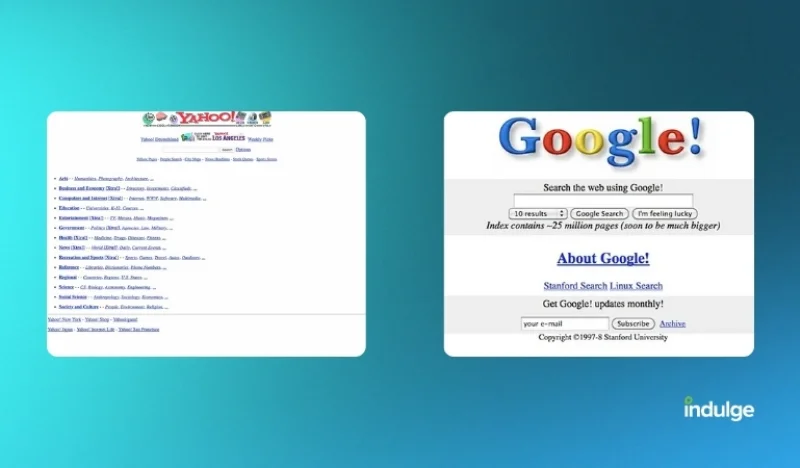
Back in the nineties, Google destroyed Yahoo by providing a much better search engine, with much less faff.
For those of you old enough to remember MySpace, you will probably also remember how terrible it was. Buggy, difficult to use, slow, and very insecure. Facebook stormed into the marketplace with a snappy, simple and beautifully addictive interface and wiped MySpace off the map in a matter of months.
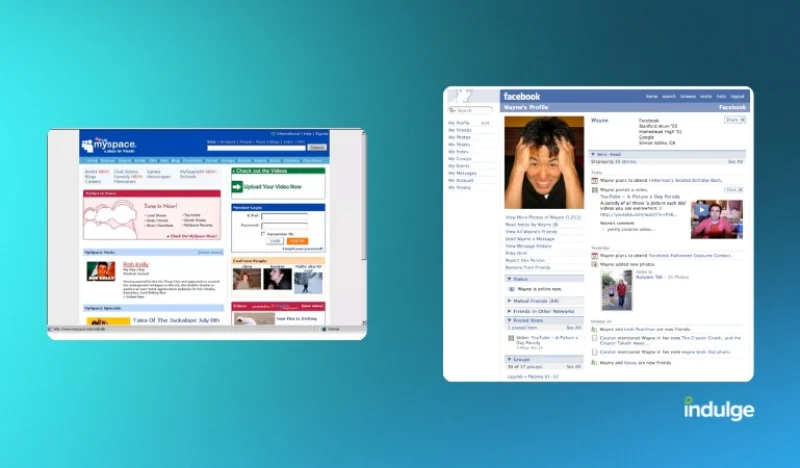
Since then, Facebook has changed irrevocably for the worse, but that is a conversation for another article.
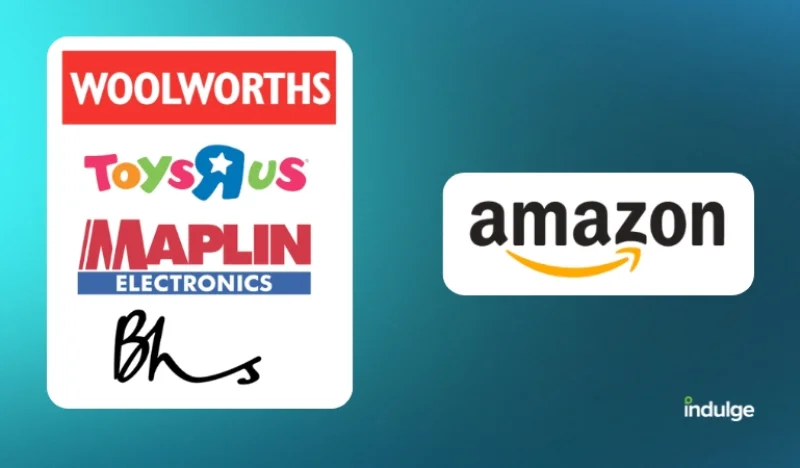
Then we have the smiley behemoth, Amazon. With its effortless one-click purchasing, free next day delivery and low prices, it has pretty much annihilated all but the most hipster of high streets across the globe.
The Law of Behavioural Shift
The one thing all of these changes have in common is that they were catalysed by improved UX combined with better outcomes. Google made it easier to search and provided better results, Facebook made it easier to connect with your friends in a much more fun and entertaining manner, and Amazon made it way easier to buy products online at big discounts compared to bricks-and-mortar stores.
I like to summarise this effect using the Law of Behavioural Shift; a concept that I came up with that describes how users will gravitate towards systems that require less effort to use, with better results.
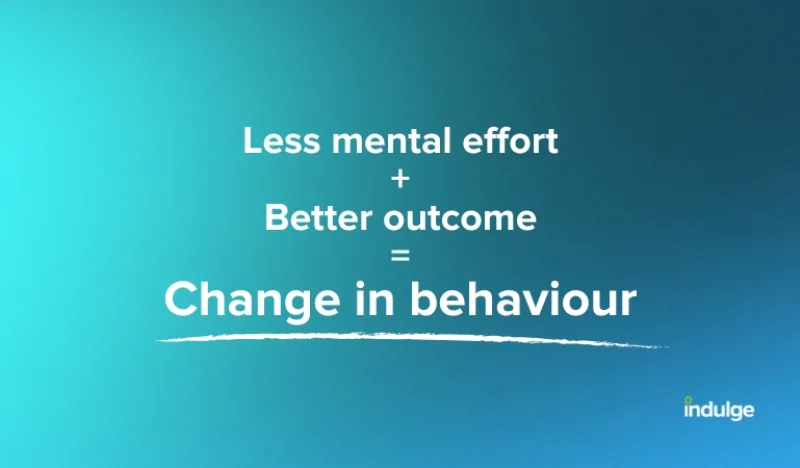
Right now this law is in full effect, with large language models turning our experience of interfacing with the web on its head.
Search traffic is collapsing
One big change that a lot of organisations across the world are grappling with right now is the loss of search engine traffic from Google.
Whatever Google claims, this is a real thing, as documented by my business partner, Paul Wood, in his recent article on The Great Decoupling.
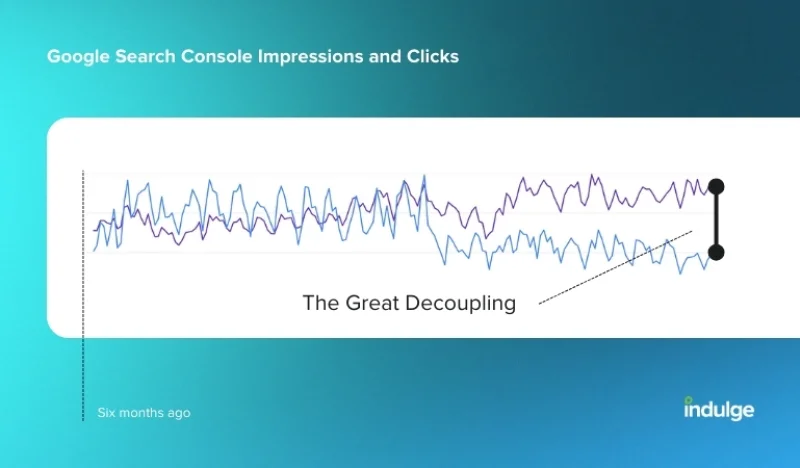
Google’s AI overviews are entirely to blame for this phenomenon; because Google has started surfacing these overviews at the top of most search result pages, users are visiting the websites provided in the results much less frequently.
Google is undermining its core, PPC-driven business model with this strategy, however it really has no choice. I believe AI Overviews have saved Google from irrelevance. By rolling them out so widely, they have stemmed the flow of users to alternative platforms like ChatGPT.
The end of search as we know it
Extrapolate out this effect, and I don’t see any future where the ten blue links, and search in general, are still a thing. Why would they be, when the experience of engaging with an AI tool is so much more efficient?
The problem is that these links have been so fundamental to how the web has operated since the 90’s that the prospect of losing them is absolutely terrifying. Billions in revenue flow through these links; from content-driven websites that rely on search traffic to sell advertising, through to the entire global SEO industry.
However, the sad truth is that the end is nigh for this technology. It will be lost to the sands of time, to join the Yahoos, MySpaces and High Streets of this world.
The pain is already being felt across industry, with Google facing multiple lawsuits from firms that depend on search traffic, claiming (probably quite rightly) that Google is repurposing content from their websites and surfacing it in their AI overviews.
They probably do have a case, but you have to ask: what are they trying to achieve? Are they hoping that Google will stop surfacing their content in AI overviews? If so, then users will simply move over to ChatGPT, Claude, WhatsApp or Copilot, because of the Law of Behavioural Shift, and their lost traffic will not return.
This gravitation towards AI as the primary tool for exploring content is happening at pace and isn’t going to slow down any time soon. It is the natural evolution of how we interface with brands in an online world dominated by powerful AI tools.
The ten blue links, once the gateway to the Internet, are unfortunately yesterday’s news. Just as SEO shaped two decades of online strategy, we are now entering the age of AIO— AI Optimisation— where the challenge is ensuring that your content is discoverable, understood and surfaced to users via whatever AI tool they are using.
This shift is simply the next stage in the evolution of search, and those who move quickly will find ways to stay visible in an AI-driven web.