


Top 10 UX Tips for Private Wealth Banking Apps


Over the past few years, we have reviewed and redesigned the banking apps of two leading global private banks.
The UX challenges were remarkably similar. Private wealth clients expect speed, clarity, and reassurance. Banks, meanwhile, need reduced operational overheads, fewer errors, and higher self-service adoption. The app experience sits directly between those goals.
Based on what we learned through research and design, here are the 10 UX principles that consistently matter most for private wealth banking apps.
1. Streamlined login
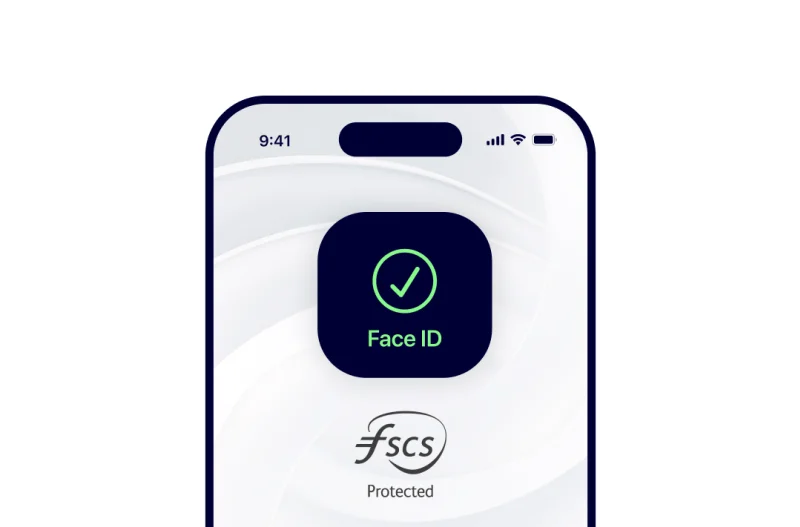
Login is not just a security feature; it is the primary gateway to regular use. Biometric access or short PINs allow clients to enter the app quickly while maintaining confidence. Clear reassurance, such as FSCS protection, reduces hesitation and builds trust.
2. Effective onboarding
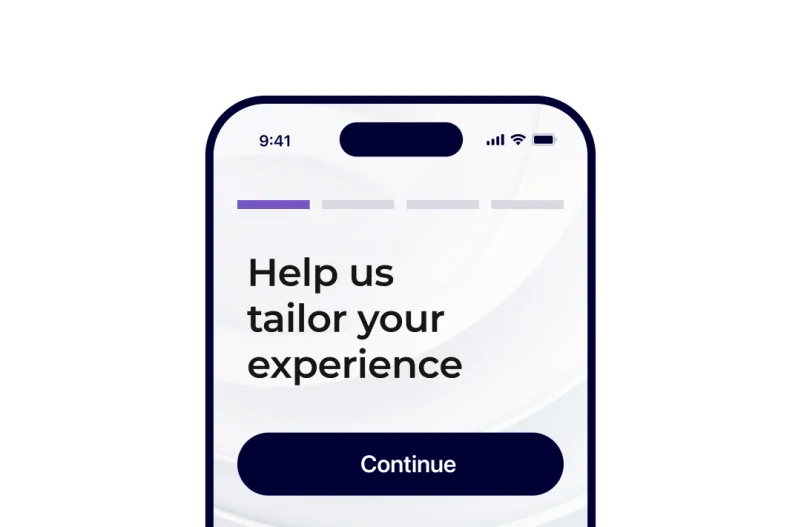
Onboarding works best when it helps users personalise the app and understand its value early on. Step-by-step setup, optional walkthroughs and short demonstrations can support this. The key is to keep it streamlined - long onboarding increases drop-off, while skipping it entirely leaves useful features undiscovered.
3. Consistent navigation
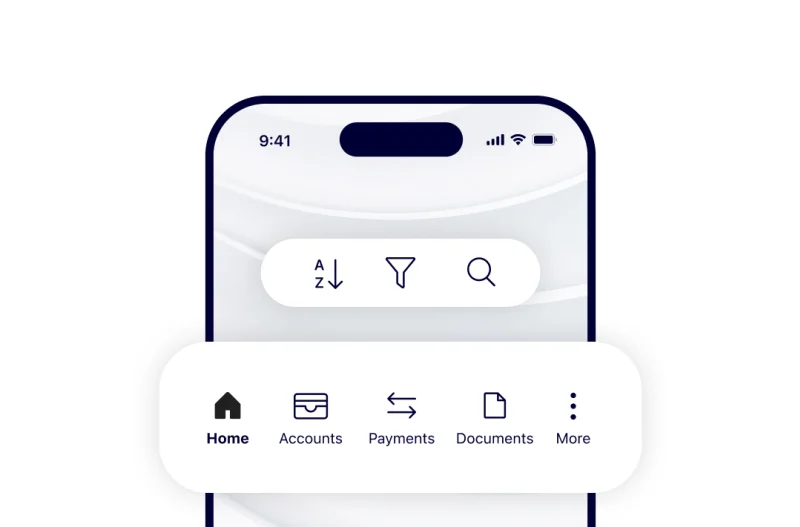
Private banking apps often grow feature by feature over time. Without discipline, navigation can become fragmented. Consistent patterns, predictable placement of actions and clear labelling reduce confusion and make the app feel calmer and more reliable.
4. Personalised overview
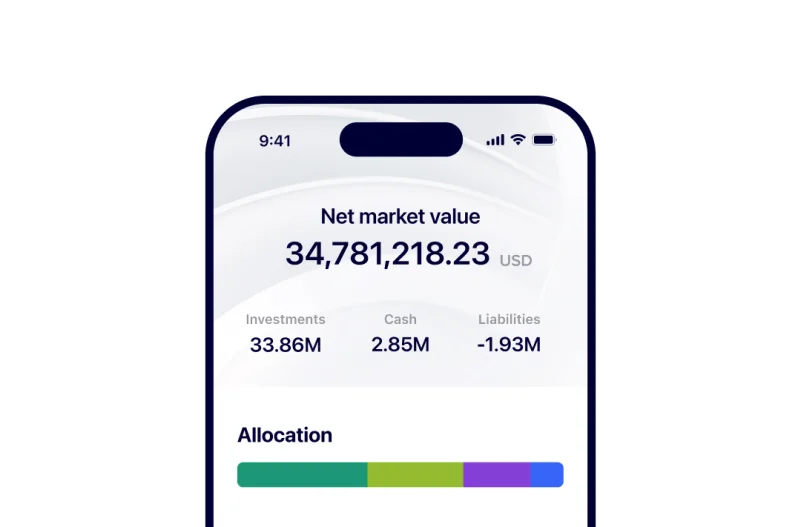
Clients do not open a wealth app to admire a dashboard. They want a personalised overview that instantly highlights balances, investments, and relevant priorities. The best dashboards allow personal control while avoiding information overload through progressive disclosure.
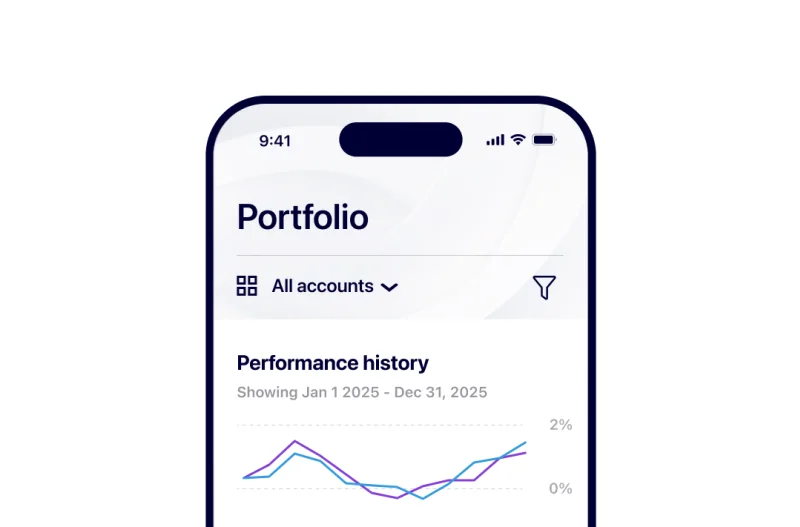
5. Performance history
Access to historical transactions and portfolio performance is expected. Interactive views, simple trend indicators and clear explanations help users understand what has changed and why. Too much raw data can overwhelm users, but oversimplification can decrease brand loyalty.
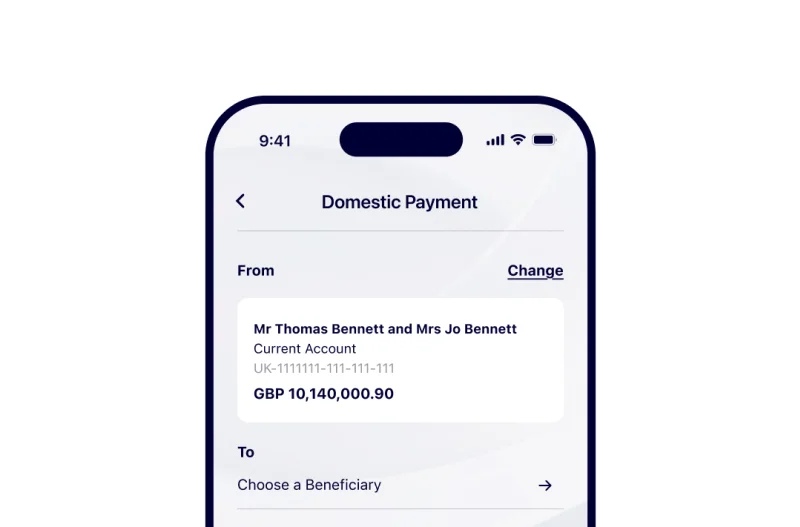
6. Simplified payments
Payments are high-risk interactions, often completed under time pressure. Breaking them into clear, sequential steps reduces errors and anxiety. Visible progress, human-readable summaries and confirmation before irreversible actions significantly reduce mistakes and support requests.
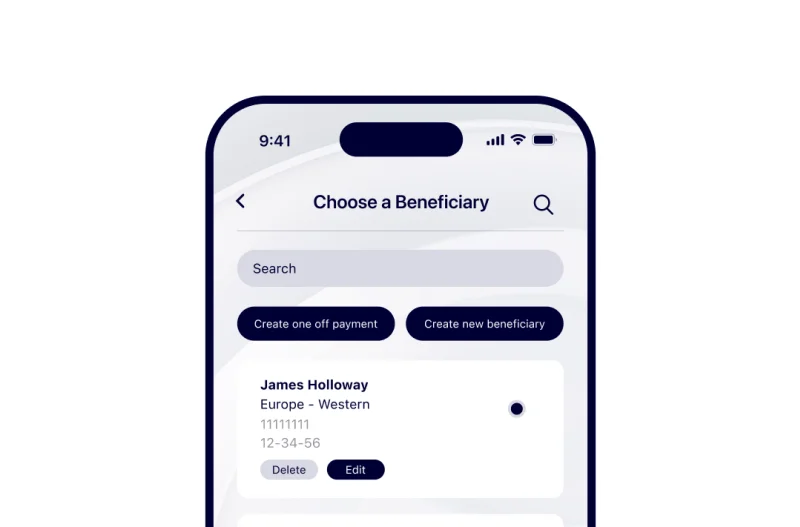
7. Beneficiary management
Managing beneficiaries is sensitive and error-prone. Treating it as a specialist task, rather than reusing generic forms, reduces frustration and mistakes. Clear confirmations and plain explanations help users act with confidence and reduce errors.
8. In-app notifications
Timely, relevant alerts tied to meaningful events keep users informed without pulling them out of the app. Overuse leads to notification fatigue, so providing control over frequency and type is essential.
9. Brand compliance
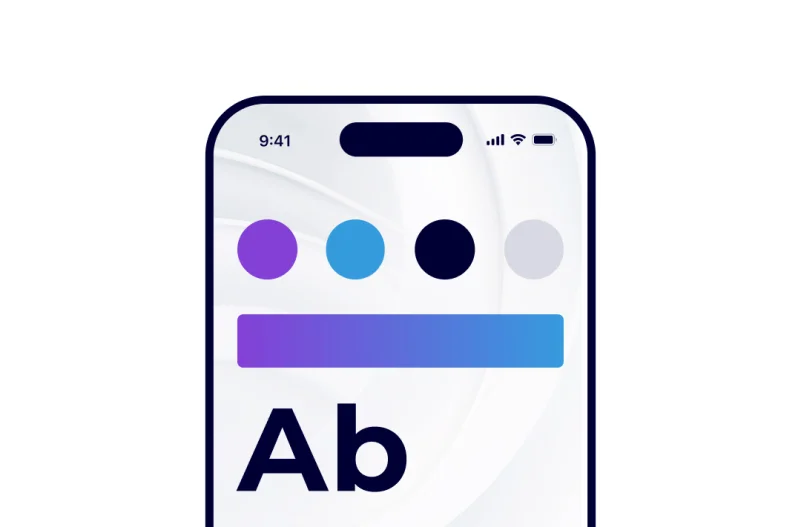
The brand experience should align with corporate guidelines across all digital channels. Consistent hierarchy, legibility and component patterns help the app feel integrated with other touchpoints, including client-facing teams. Planning for brand consistency early, through comprehensive design systems, avoids last-minute refinements, preserving both usability and brand integrity.
10. Accessible design
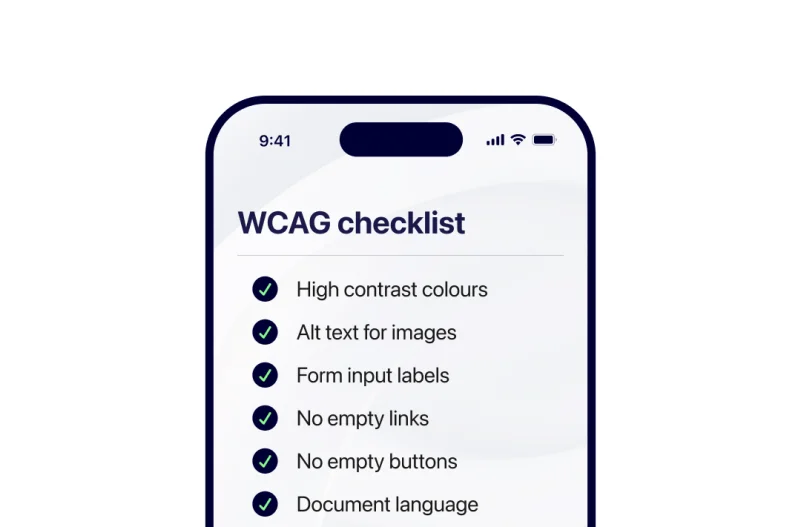
Inclusive design improves usability for everyone and reduces long-term risk. Readable typography, sufficient contrast, clear focus states and support for assistive technologies should be built in from the start. Retrofitting accessibility is expensive; designing for it early lowers costs and broadens reach.
Conclusion
Successful private wealth apps combine tailored experiences with predictability and trust, delivering valuable information and functionality even when users are short on time.
To measure UX success, teams should define key metrics such as monthly active users and helpdesk queries, which indicate whether the app is becoming easier and more valuable to use. Satisfaction scores from clients and private bankers provide additional insight into how well the app meets expectations.
By applying these 10 principles and tracking performance through clear metrics, teams can ensure their UX investment delivers tangible value for both clients and the organisation.